
When new commercial projects emerge, they encompass a wide range of developments, including shopping centers, office buildings, and entertainment complexes. These projects are designed to enhance economic activities and often bring about significant changes in the surrounding areas. As an investor or a homeowner, understanding the scope of these projects is crucial as they can dramatically alter local property markets and lifestyle dynamics.
Commercial projects typically aim to cater to the needs of a growing population, providing amenities and services that were previously unavailable or insufficient. They can transform underdeveloped or stagnant areas into vibrant hubs of activity, attracting businesses and visitors alike. Such transformations often lead to an increase in demand for residential properties nearby, as people seek to live closer to new conveniences and employment opportunities. For developers planning such projects, working with Building contractors in DHA Phase 3 can help turn these plans into well-designed and functional developments.
However, the scope of these projects can vary. Some may be limited to a few retail outlets, while others could include multi-use complexes with offices, hotels, and recreational facilities. Analyzing the specific nature and intended outcomes of a commercial project can help you forecast its potential impact on local property values. Being well-informed about these developments allows you to make strategic decisions, whether investing in real estate or simply gauging how your current property might appreciate.
The Economic Ripple Effect of Commercial Developments
The introduction of a new commercial project can stimulate the local economy in numerous ways, creating a ripple effect that extends beyond the immediate vicinity. This economic boost is often one of the most compelling reasons for increased property prices in nearby areas. As businesses move in, they generate job opportunities, which in turn attract a workforce that needs housing, services, and infrastructure. This can also increase interest in Commercial plots for sale in DHA Phase 3, as investors look for opportunities in areas experiencing economic and commercial growth.

Key Economic Impacts:
- Job Creation: New commercial spaces require staff, from construction workers during the building phase to retail and office employees once operational. This influx of jobs can reduce unemployment rates in the area, boosting local spending.
- Increased Tax Revenue: As commercial projects bring in new businesses and residents, local governments see a rise in tax revenues. These funds can be reinvested into community services and infrastructure, further enhancing the area’s appeal.
- Business Growth: As foot traffic increases, existing local businesses often experience a surge in customers. This can lead to further investment in the area, as businesses expand or new enterprises open to meet demand. The resulting growth can also increase interest in nearby Properties for rent in DHA Islamabad, particularly among businesses and residents seeking convenient access to emerging commercial hubs.
These economic changes contribute to a growing desirability of the area, making properties more attractive to potential buyers and investors alike. The increased demand for housing translates into higher property prices, as people prioritize proximity to thriving commercial centers.
Analyzing Property Price Trends Near New Commercial Projects
Understanding how property prices evolve around new commercial projects requires a comprehensive analysis of market trends. By examining both historical data and current market conditions, you can gain insights into how these developments might influence property values.
Analyzing Trends:
- Historical Data Review: Look at past commercial developments in similar areas and observe the patterns in property price changes. This can provide a baseline for what to expect in current projects.
- Market Reports: Regularly consult market reports from real estate agencies and financial analysts. These reports often include predictions and analyses of how upcoming commercial projects might impact local property prices.
- Community Feedback: Engage with local real estate forums and community groups. These platforms can offer anecdotal evidence and firsthand accounts of how new developments are affecting property values.
By staying informed and analyzing these trends, you can make educated decisions about purchasing, selling, or holding onto properties. Real estate markets are dynamic, and understanding the nuances of commercial project impacts is key to making the most of your investments.
Factors Influencing Property Prices in Proximity to Commercial Developments
Several factors can influence how property prices respond to new commercial developments. Identifying these factors can help you anticipate market changes and adjust your real estate strategies accordingly.
Influential Factors:
- Location: Proximity to the commercial project is a primary factor. Properties closer to the development often see the most significant price increases due to convenience and accessibility.
- Type of Commercial Project: The nature of the commercial project also plays a role. High-end shopping centers or luxury office spaces might boost property prices more substantially than basic retail outlets.
- Infrastructure Improvements: Developments that include upgrades to local infrastructure, such as improved roads or public transport links, tend to have a more pronounced impact on property values.
- Community Impact: The perceived effect of the project on the community can influence property prices. Projects that are seen as beneficial and enhancing the local quality of life are more likely to lead to price increases.
Understanding these factors allows you to assess which properties are likely to benefit most from a new commercial development. This knowledge is invaluable whether you are considering buying, selling, or simply understanding the future trajectory of your current property investment.
The Role of Infrastructure Improvements in Property Valuation
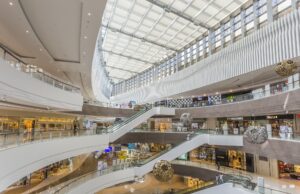
Infrastructure improvements are often a critical component of commercial projects, and they play a significant role in boosting property values. When new roads, transport links, or utilities are introduced or upgraded, the accessibility and appeal of an area can increase dramatically.
Key Infrastructure Benefits:
- Enhanced Accessibility: Improved roads and public transport make commuting easier, attracting more residents and businesses to the area. This increased demand can lead to higher property values.
- Utilities and Services: Upgrades to utilities such as water, electricity, and internet services enhance the quality of life for residents, making properties more desirable.
- Environmental Enhancements: Projects that include green spaces, parks, or improved waste management can significantly enhance an area’s livability, contributing to property value appreciation.
Infrastructure improvements often act as catalysts for further development and investment, creating a cycle of growth that benefits property owners. Recognizing the potential for these improvements can help you identify promising investment opportunities early on.
How Local Communities React to New Commercial Developments
Local communities often have mixed reactions to new commercial developments. While some welcome the economic and employment opportunities, others may have concerns about potential downsides such as increased traffic or changes in neighborhood character.
Community Reactions:
- Positive Reactions: Many communities embrace new developments for the job opportunities, improved amenities, and infrastructure upgrades they bring. These benefits can enhance the local quality of life and attract new residents.
- Concerns and Opposition: Some residents may worry about increased congestion, loss of local character, or environmental impacts. Addressing these concerns is crucial for gaining community support and ensuring the project’s success.
- Engagement and Involvement: Successful projects often involve community engagement from the outset, ensuring that local voices are heard and considered in the planning process. This can lead to more harmonious developments that benefit all stakeholders.
Understanding community reactions can help you gauge the long-term viability and acceptance of a commercial project. A project that gains strong community support is more likely to succeed and positively impact property values.
Future Predictions: The Long-term Impact of Commercial Projects on Real Estate
Predicting the long-term impact of commercial projects on real estate involves analyzing current trends, technological advancements, and evolving consumer preferences. As urbanization continues, the role of commercial developments in shaping real estate markets will likely grow.
Future Trends:
- Sustainability and Green Building: As environmental concerns become more pressing, commercial projects that prioritize sustainability are expected to have a more significant impact. Green buildings and eco-friendly developments can attract environmentally conscious buyers and businesses.
- Technological Integration: Smart technology and digital infrastructure are becoming essential components of modern commercial projects. These advancements can enhance efficiency and convenience, increasing the desirability of nearby properties.
- Changing Work Patterns: With the rise of remote and hybrid work models, the demand for mixed-use developments that combine residential, commercial, and recreational spaces is likely to increase. This shift could influence property prices as people prioritize flexibility and convenience.
By staying informed about these future trends, you can better anticipate how commercial developments will influence property values in the coming years. This foresight is invaluable for making strategic investment decisions.
Strategies for Investors: Capitalizing on Nearby Commercial Developments
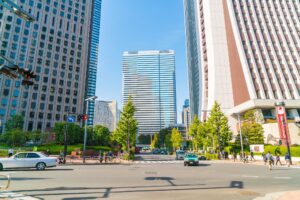
For investors, commercial developments present unique opportunities to capitalize on rising property values. By adopting strategic approaches, you can maximize your returns and minimize risks associated with these projects.
Investment Strategies:
- Early Investment: Investing in properties near upcoming commercial projects before they are completed can yield significant returns. Early investors often benefit from lower purchase prices and greater appreciation potential.
- Diversification: Consider diversifying your portfolio by investing in both residential and commercial properties. This approach can balance risk and take advantage of varied market dynamics.
- Stay Informed: Keep abreast of local government plans, zoning changes, and commercial project announcements. This knowledge can help you identify promising investment opportunities before they become widely known.
- Community Engagement: Engage with local community groups and stakeholders to understand their perspectives on new developments. This information can provide valuable insights into the project’s potential impact on property values.
By implementing these strategies, you can position yourself to take advantage of the economic benefits and property value increases associated with new commercial developments.
Conclusion: Balancing Development with Community Needs
As new commercial projects continue to shape urban landscapes, it’s essential to balance development with community needs. Ensuring that these projects benefit both investors and local residents requires thoughtful planning and collaboration.
Key Takeaways:
- Understand the Impacts: Recognize the broad scope and economic effects of commercial developments to make informed real estate decisions.
- Analyze Trends and Factors: Stay informed about property price trends, influential factors, and community reactions to anticipate market changes.
- Engage with Communities: Foster positive relationships with local communities to support sustainable, harmonious development.
By considering these elements, you can navigate the complex landscape of commercial developments and their impact on property prices. Whether you’re an investor, homeowner, or community member, understanding these dynamics is key to achieving your goals and contributing to vibrant, thriving communities.